A zone will not start
The controller appears to run the station, but the sprinklers do not activate. The cause may involve programming, wiring, a solenoid, internal valve components, or another system condition.
Existing residential systems • Oʻahu
Zone will not start or stop? Water leaking around a valve or filling the valve box? Distinct Irrigation troubleshoots and repairs valves in existing residential irrigation systems.
Text the property address, the neighborhood if helpful, what the zone is doing, whether the irrigation water is off, and useful photos or video.
Common valve symptoms
The same symptom can have more than one cause. Testing the controller, electrical path, valve, and surrounding assembly helps avoid replacing the wrong component.
The controller appears to run the station, but the sprinklers do not activate. The cause may involve programming, wiring, a solenoid, internal valve components, or another system condition.
Water keeps running after the station is turned off at the controller. A valve can remain open because of an electrical, solenoid, internal sealing, or valve-body problem.
Visible spraying, seeping, or flowing water near a valve may come from the valve body, solenoid area, threaded connection, fitting, or adjacent manifold piping.
A box that remains wet or refills after water is removed can indicate a valve, manifold, fitting, or nearby line leak. The source should be confirmed before repair.
A station may start only sometimes, stop slowly, chatter, or behave differently when operated manually. Testing helps separate controller, wiring, solenoid, and valve concerns.
Aging plastic, buildup, deteriorated seals, and crowded manifold conditions can affect the practical repair scope once the assembly is exposed.
If a zone will not shut off
First turn the station off at the controller. If water continues and the property has a clearly identified separate irrigation shutoff, turn off that irrigation supply and leave it off.
Do not force unfamiliar valves, handle brittle components, or dig around buried utilities. Call or text with what happened and whether the water is now off.
Text us the symptomsValve diagnosis
Confirm the station is programmed and operating as expected and compare controller operation with what happens at the valve.
Inspect accessible irrigation wiring and connections for visible damage, corrosion, or loose connections.
Check whether the solenoid is receiving the expected signal and whether manual operation changes the valve’s behavior.
Inspect accessible diaphragm, seals, ports, and other internal valve parts for buildup, damage, or deterioration when disassembly is appropriate.
Look for cracks, damaged threads, deformation, or leakage from the valve body and its connections.
Evaluate the surrounding PVC, fittings, valves, and the condition of nearby components before deciding whether a focused repair, rebuild, or replacement is practical.
Real Oʻahu repair example
A property manager called about a beachfront Haleʻiwa home occupied by guests. One sprinkler zone would not shut off. Turning the station off at the controller did not stop the water, and manually operating the valve and solenoid did not stop it.
Water was visibly spraying from the valve and flowing down the driveway. The property’s separate irrigation shutoff was used to stop the water before the failed valve was repaired.
The valve had buildup and deteriorated sealing components. The property manager estimated it was approximately 22–25 years old; that age was their estimate, not a verified installation date.
The valve was removed by cutting the PVC below the old valve. A new valve was glued into the existing position and rewired to the existing wires leading to the irrigation controller.
After the repair was complete, the affected station was tested from the irrigation controller to make sure that it turned on and turned off as scheduled.
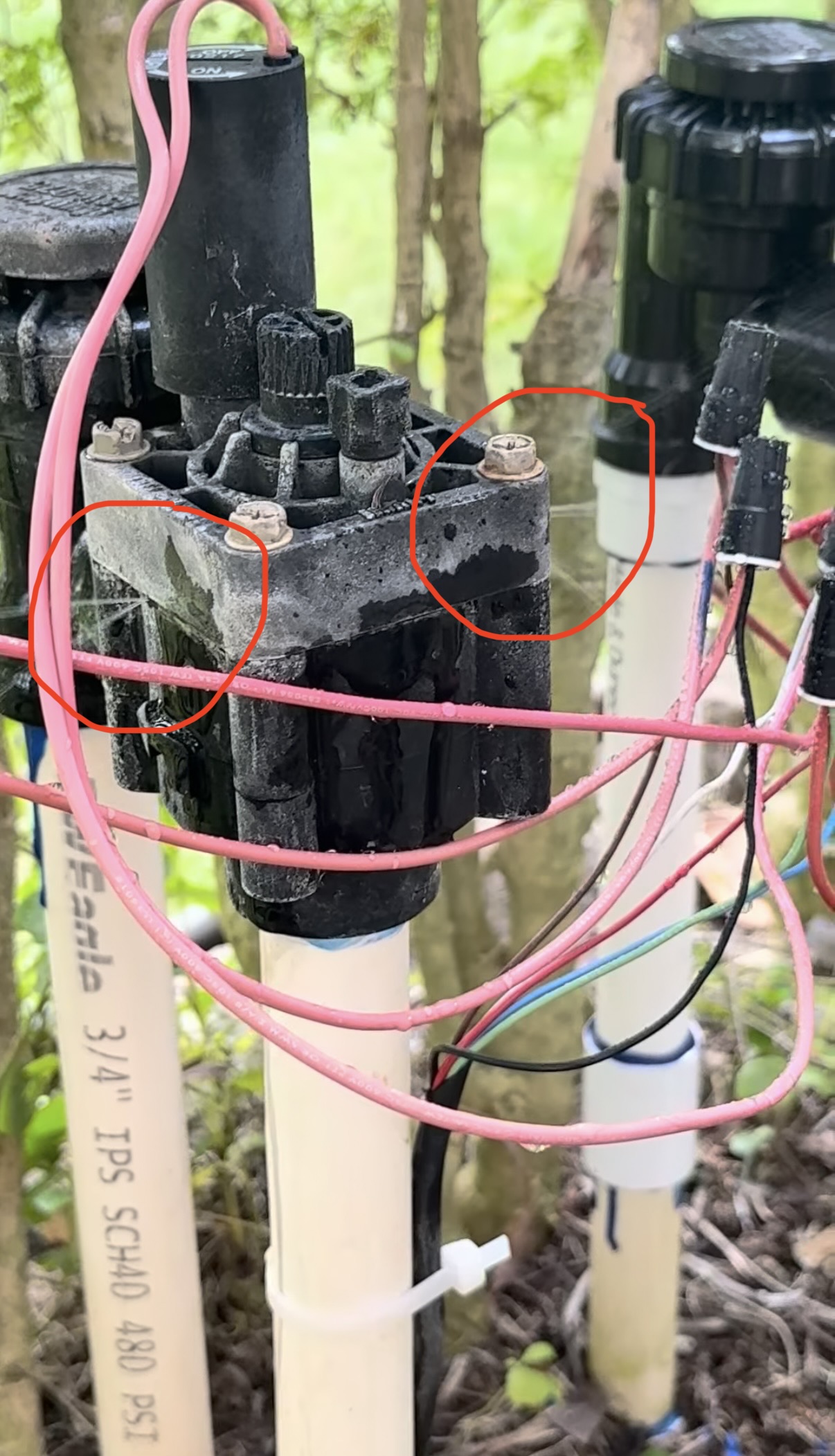
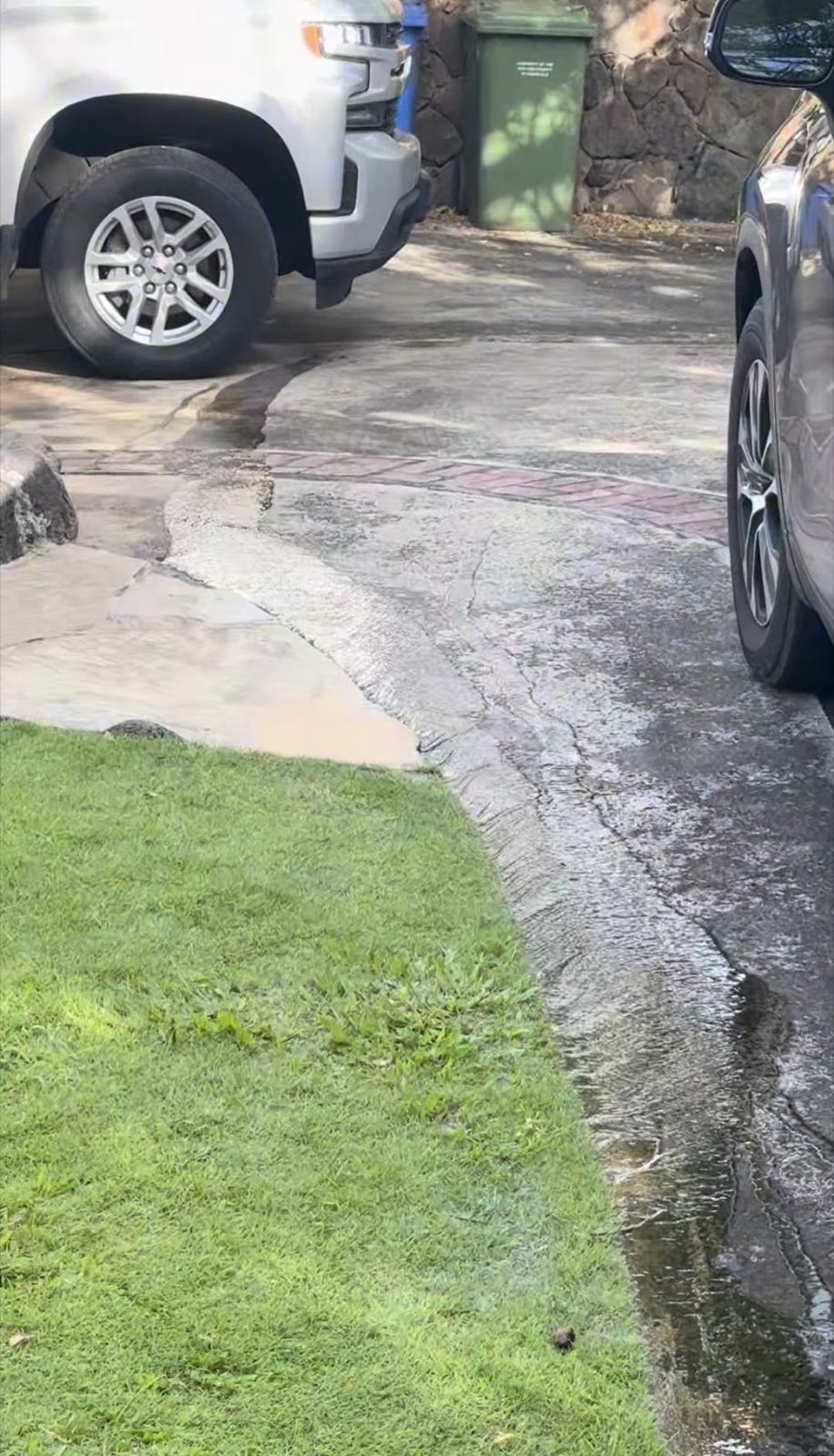
These photos document the reported failure before repair. This is one completed repair example; conditions, access, and repair scope vary by property.
Related residential services
Call or text when a zone will not start or stop, a valve is leaking, or the valve box remains wet.
Text valve details →For timer, station, solenoid, or field-wiring concerns, view Controller & Wiring Repair. Irrigation repair or the Whole-System Checkup may be a better starting point for other concerns.
View Contact options →Frequently asked questions
These are common possibilities, not a diagnosis for a specific property.
Turn the station off at the controller. If water continues and the property has a clearly identified separate irrigation shutoff, turn off that irrigation supply when it can be done safely. Leave it off and call or text. Do not operate unfamiliar valves, force brittle components, or dig around utilities.
No. Controller programming, wiring, connections, the solenoid, internal valve components, water supply, and other system conditions can produce a similar symptom. Diagnosis should come before replacement.
Sometimes. The choice depends on the confirmed failure, valve condition, parts involved, access, and surrounding manifold. An old, brittle, cracked, or deteriorated valve may make replacement the more practical repair.
No. This service is for troubleshooting, repair, and maintenance of existing residential irrigation systems. Distinct Irrigation does not offer commercial irrigation work or complete new irrigation-system installations.
Request residential valve service
Send the property address, the neighborhood if helpful, whether the zone will not start or stop, whether water is leaking at the valve, and useful photos or video.